Liù Pò · fixed Earthly Branch relation
六破
Six Break 六破: 6 Zodiac Pairs & Overlapping Relationships
Six Break pairs Rat–Rooster, Ox–Dragon, Tiger–Pig, Rabbit–Horse, Snake–Monkey and Goat–Dog. Two of these 6 pairs also belong to Six Harmony.
- Records
- 6
- Unit
- fixed break pairs
- Pair order
- Unordered
Every inherited record, without collapsing overlaps
The complete Six Breaks ledger
Open any linked pair for its phases, trines, branch distance, month, hour and direction. Group relations keep all members visible even when only two were selected.
- 01
Liù Pò
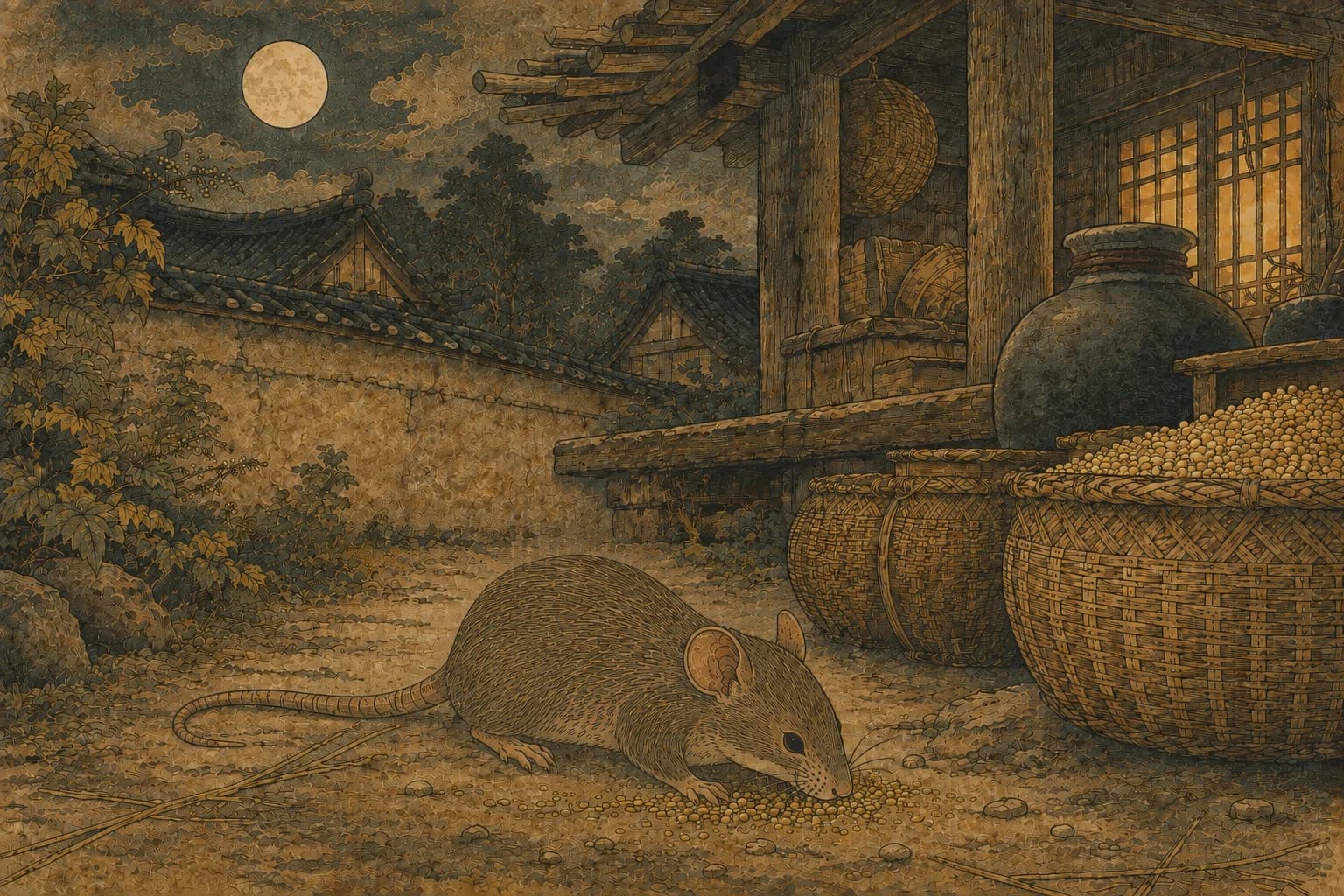
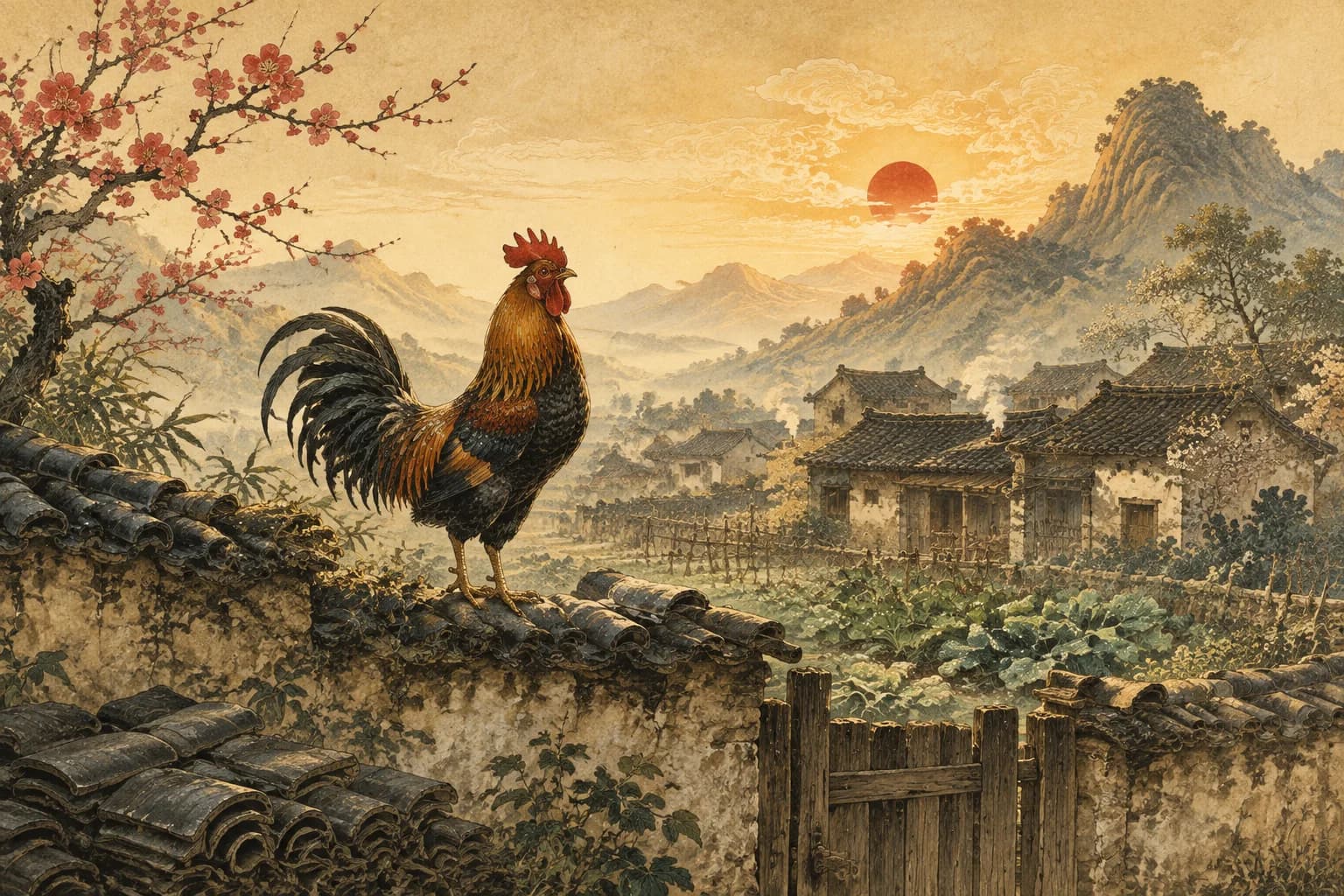
Rat and Rooster
子 and 酉 form pair 1 of six. They sit 3 places apart and carry Water and Metal.
- 02
Liù Pò
Horse and Rabbit
午 and 卯 form pair 2 of six. They sit 3 places apart and carry Fire and Wood.
- 03
Liù Pò
Monkey and Snake
申 and 巳 form pair 3 of six. They sit 3 places apart and carry Metal and Fire.
Canonical pair readings
Also present among these pairs: Six Harmony · Shared Punishment group.
- 04
Liù Pò
Tiger and Pig
寅 and 亥 form pair 4 of six. They sit 3 places apart and carry Wood and Water.
- 05
Liù Pò
Dragon and Ox
辰 and 丑 form pair 5 of six. They sit 3 places apart and carry Earth and Earth.
- 06
Liù Pò
Dog and Goat
戌 and 未 form pair 6 of six. They sit 3 places apart and carry Earth and Earth.
How the inherited set is built
The relation that makes overlap visible
The six pairs are Rat–Rooster, Horse–Rabbit, Monkey–Snake, Tiger–Pig, Dragon–Ox and Dog–Goat. The same list applies no matter which animal is selected first.
Tiger–Pig and Snake–Monkey demonstrate why a compatibility tool must preserve overlaps: both are Six Harmony and Six Break. Snake–Monkey also sits inside the Punishment of Ingratitude group.
- What it establishes
- It establishes membership in one fixed 六破 pair and makes any simultaneous Harmony, Punishment or other branch relation visible beside it.
Year, month, day and hour stay distinct
Where Six Breaks enters a chart
Use the pair as one coordinate-level signal and then inspect its pillar layers. When more than one relation applies, retain the full stack before interpreting the chart context.