Layered profile explorer
BaZi Calculator: Four Pillars Birth Chart
At 17 Oct 2026, 09:07 CST (UTC+8), the day is 甲子 Yang Wood Rat, in the 丙午 Yang Fire Horse year. Enter your birth date and time for all four pillars and your Day Master.
Enter a birth date to place its year, month and optional hour inside the larger stem–branch cycle, with the relevant calendar boundary named on every result.
Start with the familiar year animal, then open the seasonal and daily layers around it.
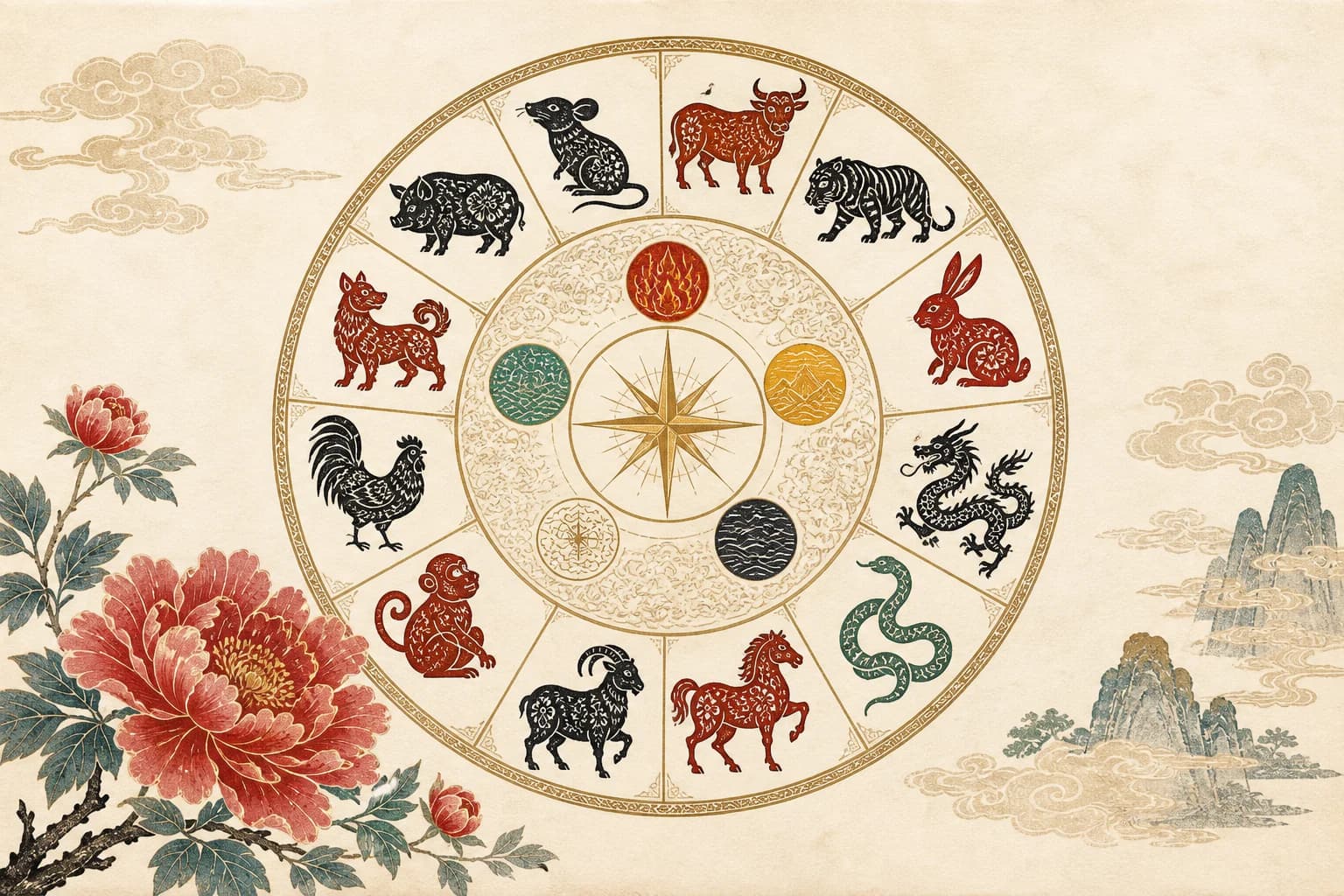
Outer · Year
The broader background. Changes once a year.
Inner · Month
The seasonal climate. Changes about once a month.
Secret · Hour
The moment in time. Changes every two hours.
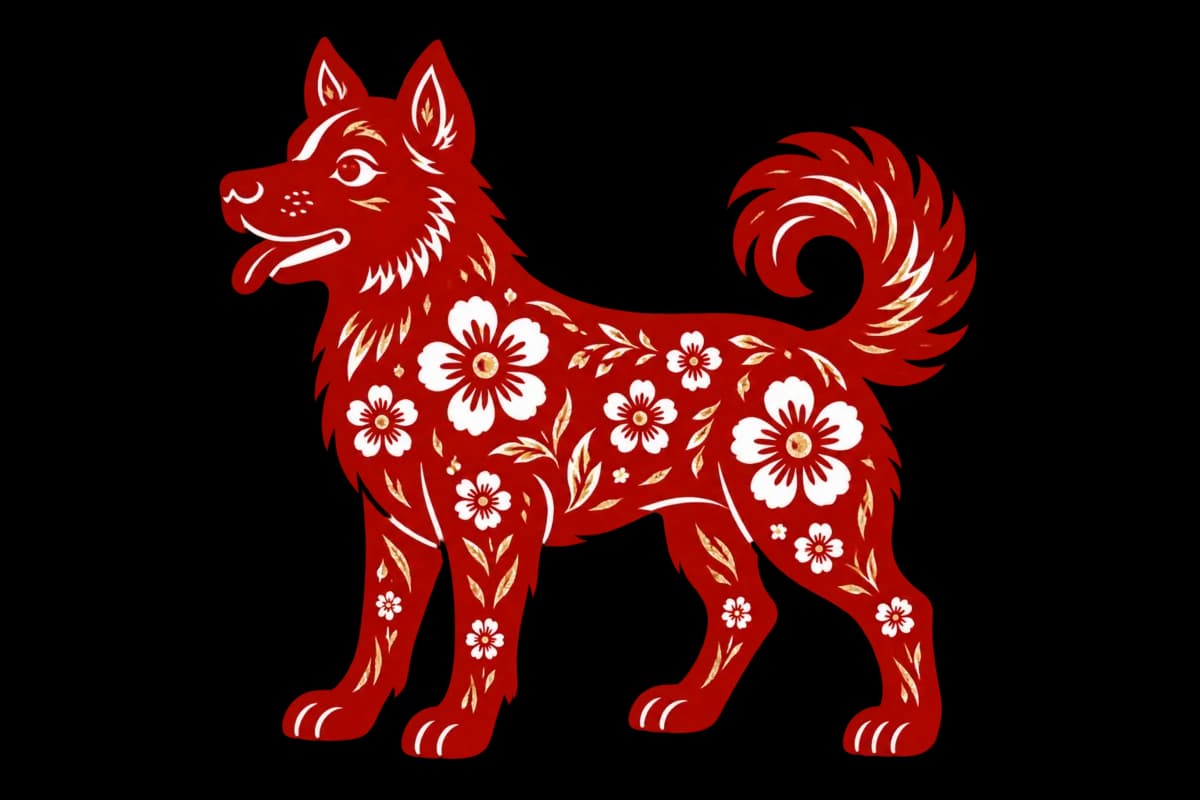
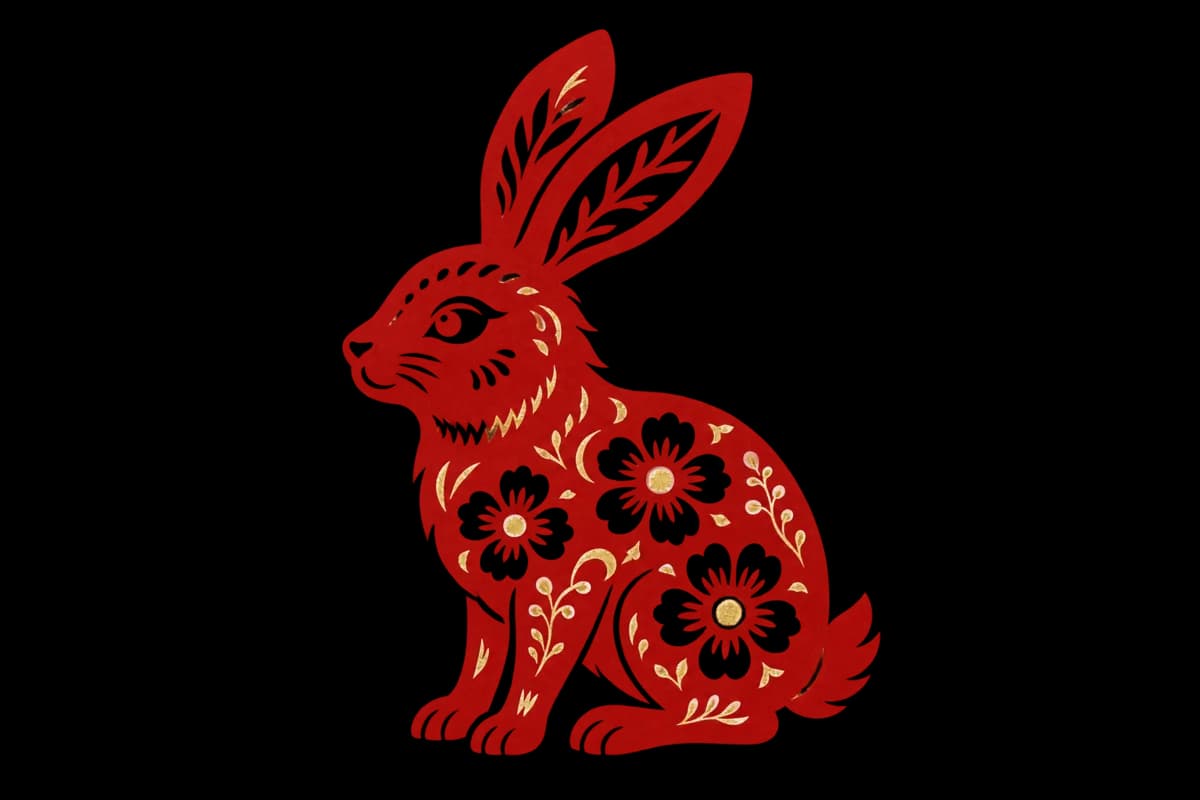
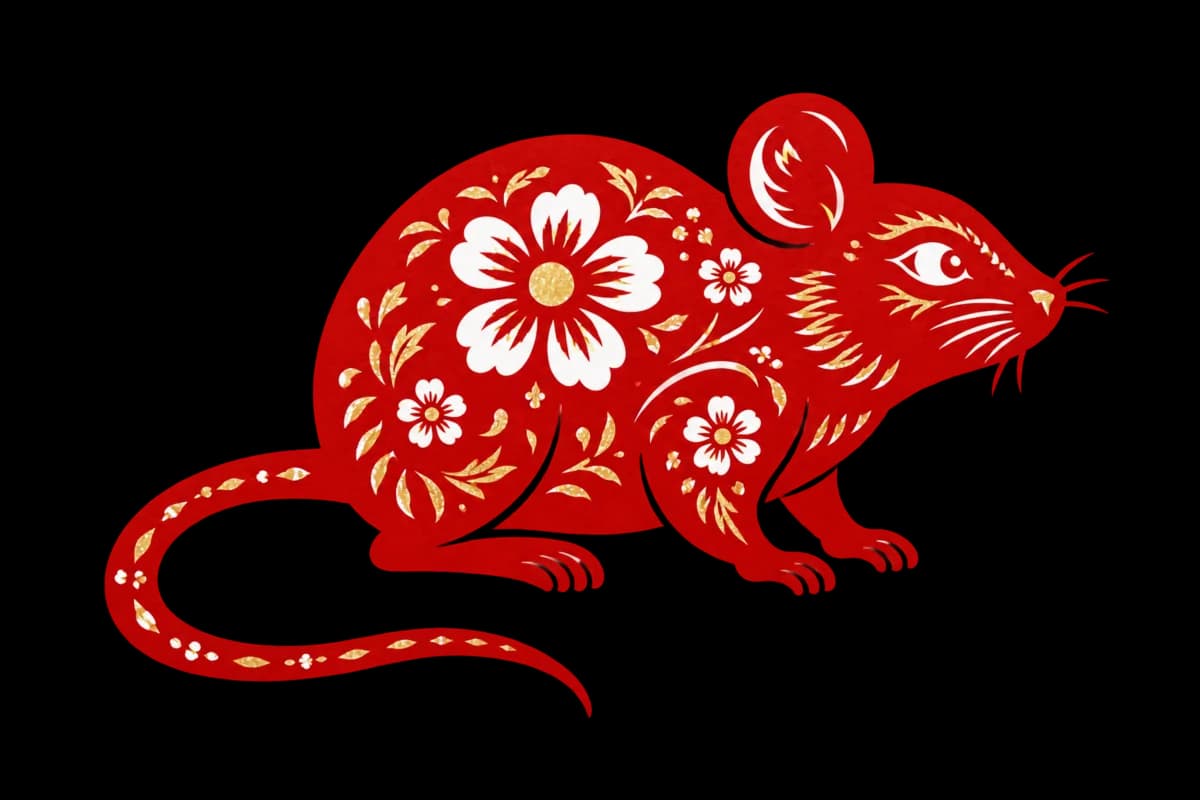
An illustrative example: outer Dog, inner Rabbit, secret Rat.
Zi Wei Dou Shu: stars in twelve palaces
Turn a birth date and hour into Life and Body Palace, major stars, four transformations and decade cycles. The worked chart for 16 August 2000 at 03:00 uses Wood 3, with Life at Horse and Body at Dog.
Build a Zi Wei chart → Explore the 162-star registerChoose a date and read its hours
The Chinese almanac brings the lunar date, day pillar, day officer and traditional activity labels together. Search an interval for a wedding, move, opening, work, renovation or journey, then inspect each date’s hour table.
Read a date’s almanac → Find matching activity datesI Ching: six lines and their changes
Cast three coins or enter your six line values, keeping every changing position. The reader shows the primary and relating figures; the catalog contains all 64 judgments, classical line texts and original English readings.
Read an I Ching cast → Browse the 64 figuresBirth charts, dates, directions and casts
Choose a Chinese astrology calculator
Start with the smallest result that answers your question. Each tool links its calculated stems, branches, phases and cycle positions to the full reference pages around them.
- 01Zi Wei Dou Shu chartBirth date + time + calculation
Place major and minor stars into twelve palaces, mark Life and Body, and compare decade and annual layers.
Open calculator → - 02BaZi luck pillarsBirth date + time + calculation
Read direction, adjacent solar term, starting date and nine ten-year periods from the birth-month pillar.
Open calculator → - 03Chinese almanac and hoursSelected date
Read the day officer, clash branch and traditional activity recommendations, then compare all hour intervals.
Open calculator → - 04Auspicious date finderActivity + date interval
Find wedding, moving, opening, work, renovation or travel dates matching their actual almanac activity labels.
Open calculator → - 05I Ching coin and line readerSix line values or three-coin casts
Preserve changing positions, read primary and relating hexagrams, and export or print the cast.
Open calculator → - 06Flying Star building chartBuilding period + facing bearing + date
Compare base, mountain, water, annual and monthly stars across the nine Lo Shu palaces.
Open calculator → - 07Qi Men Dun Jia hour chartChina-time date and clock
Place Earth and Heaven stems, stars, doors and deities on a three-yuan rotating hour board.
Open calculator → - 08He Luo Li Shu birth figuresBirth date + time + calculation
Derive Heaven and Earth numbers, the two birth hexagrams and their Yuan Tang lines from the eight characters.
Open calculator → - 09Kua number and direction groupBirth date + calculation table
Find the Eight Mansions number, trigram, element and East or West group, accounting for birthdays before Chinese New Year.
Open calculator → - 10Complete birth chartDate + time + birthplace time zone
Resolve the birth-date time-zone rule, read the year, month and day pillars, add the hour when known, and compare the visible chart with the current annual pillar.
Open calculator → - 11Chinese zodiac yearBirth date
Find the outer animal year, exact Chinese New Year interval, Heavenly Stem, phase, polarity and cycle position.
Open calculator → - 12Day MasterBirth date + optional time
Find the day stem used as the chart’s reference and retain the 23:00 day-boundary alternative when it applies.
Open calculator → - 13Inner or month animalDate + time + UTC offset
Locate a birth in one of twelve solar-term months instead of treating a Gregorian month as one fixed animal.
Open calculator → - 14Secret or hour animalLocal time + optional date
Match a clock time to its two-hour branch; add a date to derive the complete hour pillar and moving stem.
Open calculator → - 15Five-phase countDate + optional time + UTC offset
Count Wood, Fire, Earth, Metal and Water across six or eight visible chart characters, then read each phase against the Day Master.
Open calculator → - 16Animal compatibilityTwo animal branches
Compare harmony, clash, harm, break, punishment, trine, seasonal meeting and fixed branch phases.
Open calculator →
Chinese New Year selects the familiar outer year; Li Chun and the jie solar terms locate the Four Pillars year and month; the uninterrupted stem–branch cycle supplies the day; local civil time supplies the hour.
Learn the building blocks of Chinese astrology
- CalendarLunisolar cycles, leap months, solar terms, and how the year is defined.Explore calendar
- Five PhasesWood, Fire, Earth, Metal, Water and their relationships in nature.Explore phases
- AnimalsThe 12 animals, their qualities, and their role in time cycles.Explore animals
- CompatibilityThe four traditional trines and the cycle relationships within each group.Browse trines
Animals are one layer of a larger cycle
The twelve animals are the most visible part of the system. Underneath them sit the calendar, the stems and branches, the five phases, and yin–yang polarity.
1. Understand the basics
Learn how the lunisolar calendar, the 60-year cycle and the year boundary decide your outer animal.
Start learning2. Explore your layers
See how the year, month and hour layers fit together for your own birth date and time.
Explore now3. Go deeper
Dive into the stems, branches, five phases and the conventions behind every mapping.
Browse guides
The whole system
Every guide, in one place
Each guide explains one part of the structure and links to the next, so the system can be read as a single connected path.
- Calendar and boundariesChinese New Year versus Li Chun, and why January births can belong to the previous year.
- Five phases and the 60-year cycleStems, branches, polarity and the full sexagenary cycle with a year lookup.
- The ten Heavenly StemsThe complete phase-and-polarity sequence from Jia Wood through Gui Water.
- Yin–Yang polarityHow alternating polarity qualifies every stem, branch and named relationship.
- Ten Gods stem relationshipsThe ten names produced by a stem’s phase and polarity relationship to the Day Master.
- Outer, inner and secret animalsThe three-layer animal model with its month and hour mapping tables.
- Compatibility trinesThe four traditional three-animal groupings and their positions in the branch cycle.
- The zodiac ordering legendThe animal-race folktale, its variants, and where folklore ends and history begins.
- Feng Shui contextFive-phase vocabulary, direction, time cycles, and how those systems connect.
- I Ching contextTrigrams, hexagrams and the Book of Changes, related to but not the same as the zodiac.
Browse the system
Every phase, branch and trine has a page of its own — what it carries, what it relates to, and where it sits in the sixty-year cycle.
How a year gets its name
Ten Heavenly StemsEach year carries one of ten stems. The stem pairs one of the five phases — Wood, Fire, Earth, Metal or Water — with a yang or yin polarity.
Twelve Earthly BranchesEach year also carries one of twelve branches, and each branch corresponds to one of the twelve zodiac animals, from Zi the Rat to Hai the Pig.
Sixty combinationsAdvancing both sequences together produces sixty unique pairings before they repeat — the sexagenary cycle, anchored at Jia-Zi, the Yang Wood Rat.
Questions readers ask first
Is my Chinese zodiac sign just my birth year animal?
The year animal is one branch out of eight characters. A full chart pairs a stem with a branch for the year, month, day and hour — and the day stem, the Day Master, is the one the other three are read against. Most popular Chinese astrology uses only the first of the four.
Why does my sign change around Chinese New Year?
Two boundaries are in common use and they disagree by days or weeks. Many zodiac calendars turn the animal year at Chinese New Year; Four Pillars practice turns the stem-branch year at Li Chun, the start-of-spring solar term in early February. A birth between them carries one label under each convention.
Is this a Four Pillars chart?
Yes. It shows the year, month, day and optional hour pillars, their hidden stems, and the Ten Gods relationships to the Day Master. Visible element counts and hidden-stem occurrences are shown separately.
Why does the month animal depend on my birth time?
The stem-branch months begin at solar terms, which are astronomical events with a time of day, not calendar dates. Li Chun 2021 occurred at 22:58 China Standard Time on 3 February; the chart places that instant on the selected birthplace zone's clock. A fixed offset can be entered instead.
What is the Day Master?
The stem of the day pillar. In Four Pillars it stands for the person, and every other character in the chart is read by how it relates to that one phase — whether it generates it, is generated by it, controls it, or is controlled by it.